
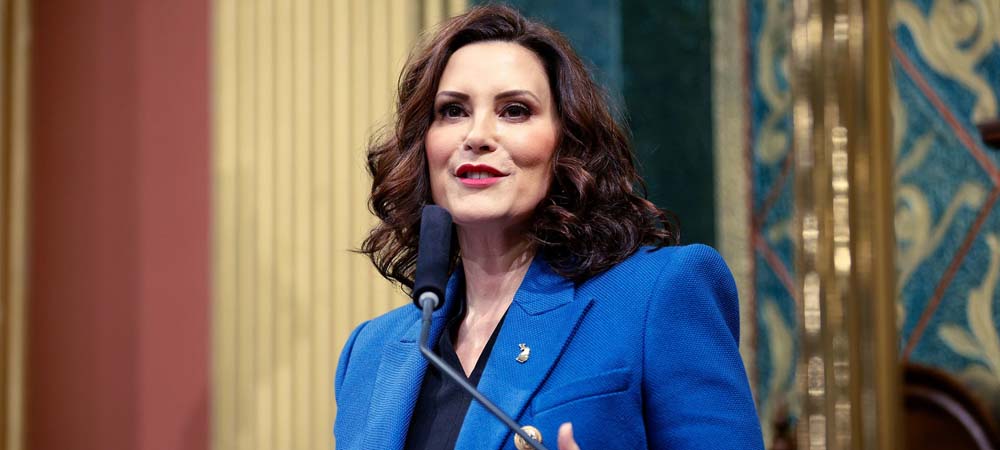
- Governor Gretchen Whitmer's proposed iGaming tax hike could hit Michigan blackjack players through shrinking bonuses and tighter table rules.
- Michigan leads Arizona and West Virginia as the state most likely to actually pass an iGaming tax increase in 2026.
- Republican House Speaker Matt Hall is pushing back hard, making the proposal's path to law an uncertain one.
LANSING, Mich. - Michigan's online blackjack players could soon feel the financial weight of a proposed tax hike working its way through budget discussions in the state capital.
In her proposed budget for 2026–2027, Governor Gretchen Whitmer would increase the top tax rate on iGaming businesses from 28% to 36% of gross gaming income. That figure may seem like an issue for the casinos alone, but blackjack players in particular would likely be among the first to notice the difference.
Michigan is not alone in this conversation. Arizona and West Virginia are also thinking about raising state taxes on online sports betting and iGaming in 2026. However, according to research company Eilers and Krejcik Gaming, Michigan is the state most likely to actually implement the legislation and make it law.
Additionally, the proposal would remove a deduction that currently permits operators to deduct bonuses and free play offers from their taxable income. It may not seem like much, but that detail is crucial for anyone playing legal online blackjack.
Promotions often become less or stop altogether when they become more costly for operators to run. Welcome bonuses get smaller, reload offers come less frequently, and blackjack-specific cashback deals slow down. After hiking its gambling taxes, Illinois experienced a similar predicament, and players there experienced a comparable backlash.
What Changes At The Blackjack Table
Blackjack players may also be directly impacted by changes to the games' actual structure. In contrast to slots, the house edge in blackjack is mostly dictated by table regulations, such as the number of decks in play, whether the dealer strikes on soft 17, and the actual payout of a blackjack hand.
The house advantage is significantly increased when the payout is changed from the usual 3:2 to 6:5, which reduces the returns for anyone using basic strategy. Historically, operators have implemented these kinds of subtle rule tweaks when their margins are tight.
A less competitive, regulated market makes it quite straightforward where players who like legal blackjack in Michigan will do business. Industry groups have noted that more difficult gaming conditions have a tendency to drive seasoned players to offshore locations, which operate outside of state law and offer players no safeguards in the event of an issue.
The Republican-controlled House and Matt Hall are standing solidly in the way of the measure passing. The speaker has been clear about his position on new taxes, keeping them off the table, and given his party's slight majority in the legislature, there is a very real possibility that this measure will never be put to a final vote.