
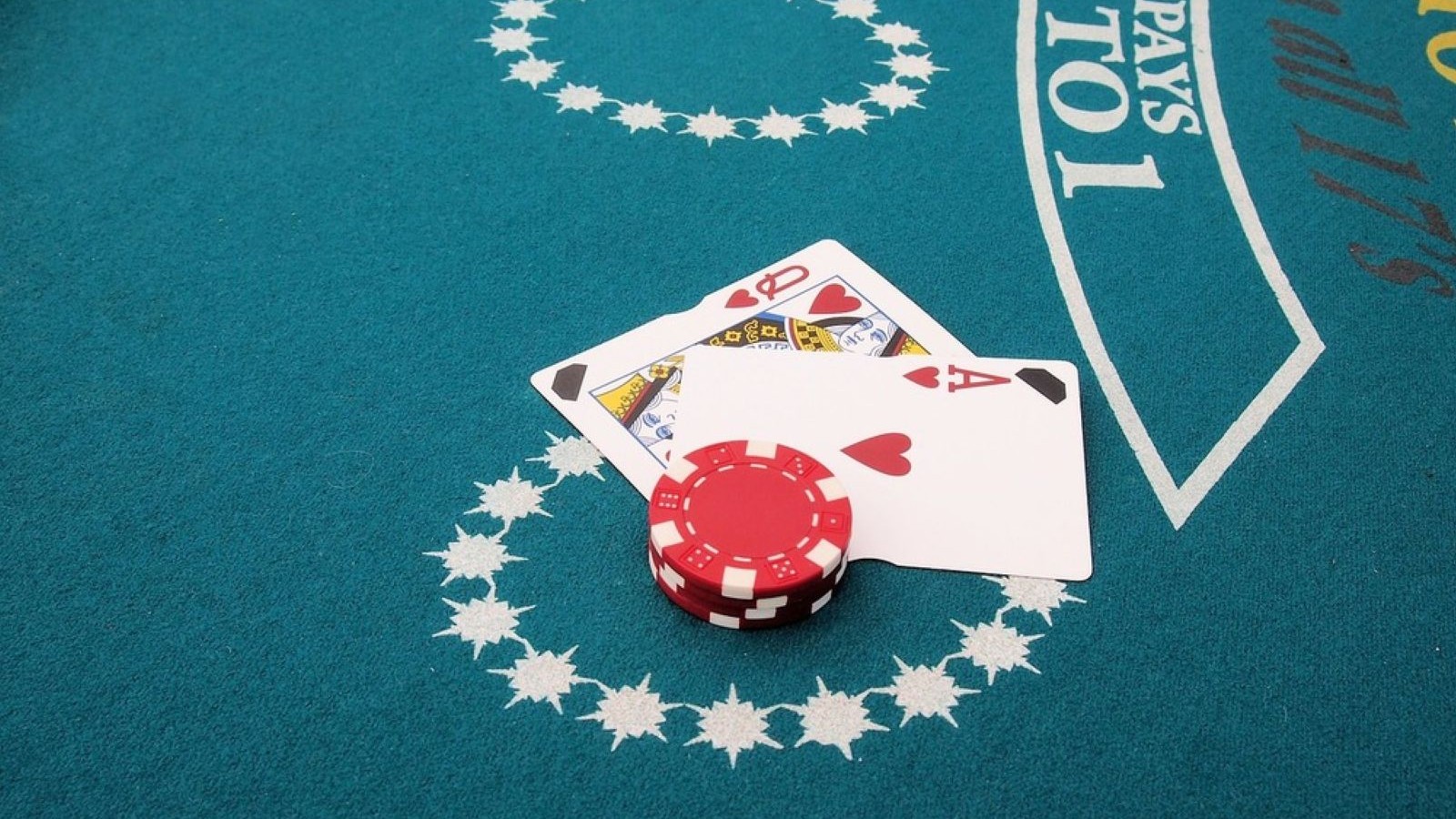
Many of the streamed tables driving record online-casino revenue run 6:5 rules that can more than quadruple the blackjack house edge.
- New Jersey, Michigan and Pennsylvania all posted record or near-record online-casino revenue through May 2026.
- Live-dealer tables mimic a real casino floor but often run eight decks, faster dealing and stingier payout rules.
- A live table paying 6:5 instead of 3:2 lifts the blackjack house edge to about 1.77% from 0.41%.
- Pennsylvania is the only one of the three that breaks out online tables, and there the category shrank while slots surged.
HARRISBURG, Pa. — Record online-casino revenue in the three states that dominate U.S. internet gambling is increasingly riding on live-dealer table games that look more like a real casino, and at many of those tables the house edge is steeper than the software blackjack they replaced.
Records across the big three
The demand is real. New Jersey operators reported internet gaming win of $276.3 million in May, up 11.9% from a year earlier, with year-to-date online win of $1.32 billion, according to the state Division of Gaming Enforcement. Michigan’s iGaming operators posted gross receipts of $305.8 million in May, up nearly 22% and the third-highest monthly total on record, the Michigan Gaming Control Board reported. Pennsylvania’s online casinos generated $254.8 million in May as combined gaming set an all-time state record, per the Pennsylvania Gaming Control Board.
Live-dealer tables, streamed from studios with a real dealer and real cards, are the fastest-growing and most heavily marketed slice of that boom. They are also the product this site tracks most closely for players choosing where to play legal online blackjack.
The catch is in the table rules
The pitch for a live table is that it feels like the pit. The math often follows the pit too, and not in your favor. Most live blackjack runs eight decks with continuous, faster dealing, and a share of tables pay 6:5 on a natural rather than the 3:2 that good software games still offer.
That payout swap is the whole game. On an eight-deck table with otherwise identical rules, a 3:2 game carries a house edge of about 0.41%, but a 6:5 version runs roughly 1.77%, BetMGM’s own guidance states, more than quadrupling what the house takes. A dealer who hits soft 17 instead of standing adds about another fifth of a percentage point. For a player betting $25 a hand at 80 hands an hour, the 6:5 rule alone costs about $27.80 more per hour than a 3:2 table, purely from the shortened payout.
The downgrade is not universal, which is exactly why the specific table matters. Evolution’s Infinite Blackjack, streamed by operators across all three states, runs eight decks but keeps the natural at 3:2 with the dealer standing on 17, its published rules show. The number that decides the edge is printed in the rules panel of whichever live dealer blackjack table a player opens, and it moves from one table to the next.
Pennsylvania cuts against the takeover story
There is also a wrinkle in the “tables are taking over” narrative. Pennsylvania is the only one of the three states that publishes an online table-games figure separate from slots, and in May that category fell. Virtual table games brought in $49.9 million, down 5.78% from a year earlier, even as online slots climbed 14.28% to $202.5 million, the Gaming Control Board reported. In the one state that actually discloses it, online blackjack and its table cousins are the slice that dipped while slots carried the record. New Jersey and Michigan fold live tables into a single iGaming total, so the split there is not public.
For a state-by-state read on where these games are legal and how the tables are run, see the site’s guide to legal Pennsylvania online blackjack.