- The joint committee for MP 1394 is still awaiting installation, with no president or rapporteur listed, as urgency begins Nov. 9.
- The first 60-day period ends Nov. 23, and 94 of the 99 amendments filed still await a committee that has not met.
- The ban took effect Sept. 25 and ended licensed betting authorizations Oct. 25 with no refund of license fees, before Congress has acted.
- The government’s memorandum estimates lost tax revenue of R$1.541 billion in 2026, R$5.150 billion in 2027 and R$5.330 billion in 2028.
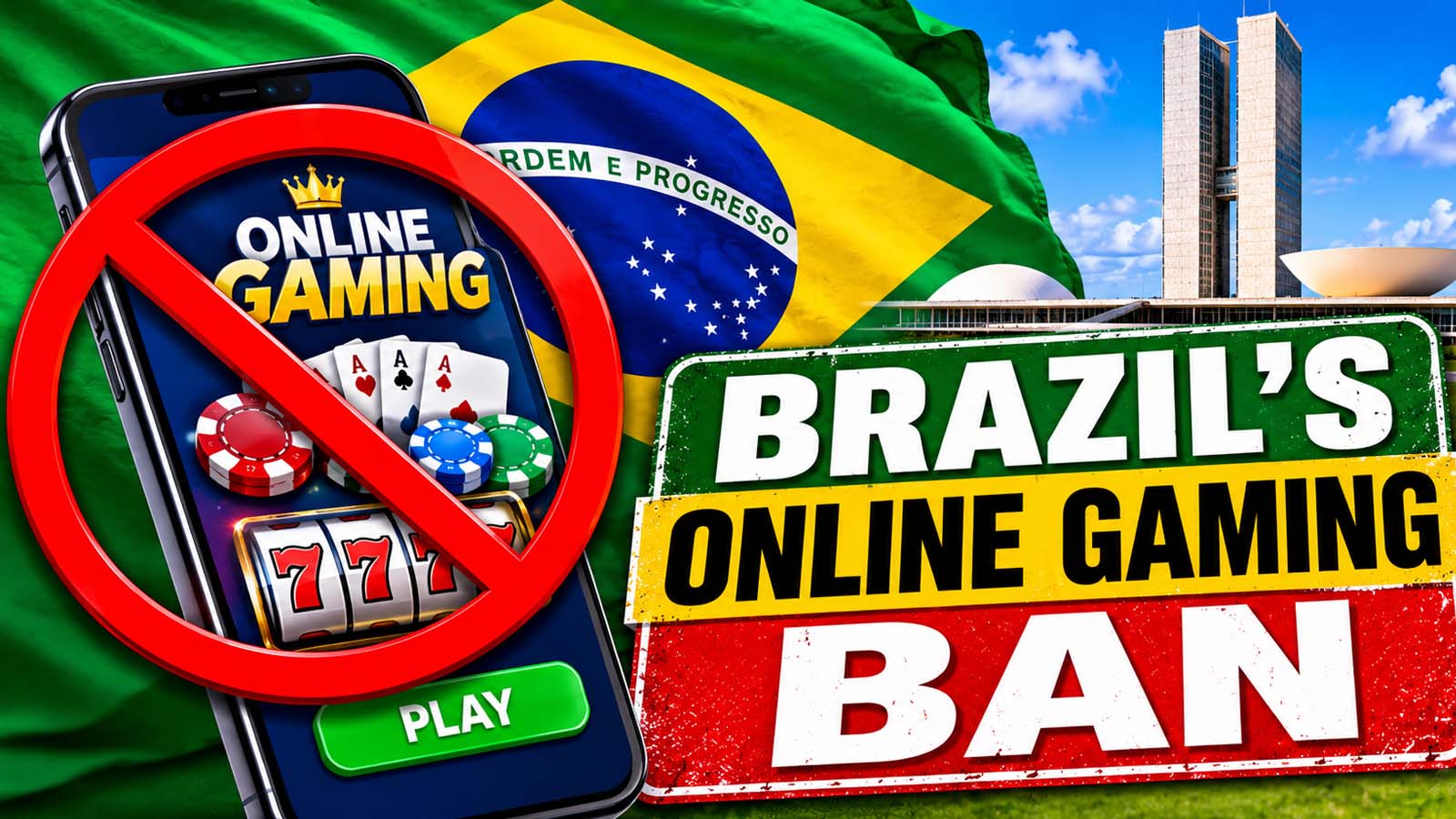
BRASILIA, Brazil – The Brazilian Congress has not installed the joint committee that must review the Brazil online gaming ban MP 1394, a provisional measure that prohibits fixed-odds betting nationwide, including on online games, according to the Congress record. The measure enters its urgency phase Nov. 9, and its first 60-day deliberation period ends Nov. 23. It took effect when the presidency published it Sept. 25, so it has operated since then without an installed review committee.
The Committee Has Not Been Installed
The Congress page lists the measure’s latest status as awaiting installation of the committee and names no president or rapporteur, though its members were designated Sept. 30. Article 62 of the constitution assigns the first review of every provisional measure to a joint committee of deputies and senators, which has to examine it before either chamber votes.
A Nov. 5 request from Deputy Capitão Alden, addressed to the committee, asks for the measure’s preparatory documents and for officials to be invited to explain it, the page shows. Lawmakers filed 99 amendments by the Oct. 13 deadline, and five were later withdrawn, which leaves 94 awaiting the committee.
Sen. Randolfe Rodrigues, the government’s leader in Congress, said he would try to install the committee the week of Nov. 9 and planned to meet Senate President Davi Alcolumbre and Chamber of Deputies President Hugo Motta over the weekend, Correio Braziliense reported Nov. 5. Under the usual rotation, the Senate presides over the committee and the Chamber names the rapporteur, the newspaper said.
The Ban Is Already In Force
The measure took effect on publication, under its Article 30. New deposits were barred from Sept. 25, and operators had to make their sites and apps unavailable 10 days after publication, including in app stores, according to Article 7.
Article 4 ended every authorization granted under Law 14,790 of 2023 at the close of 30 days from publication, which fell on Oct. 25, and says the operators have no right to a refund of license fees or to compensation. The government’s memorandum says no license revenue is lost because those fees were paid in full.
The measure also faces court challenges. Justice Luiz Fux, the rapporteur of a Supreme Court case that the National Association of Games and Lotteries filed against it, convened a public hearing on the measure Nov. 3, according to the court.
Penalties Fall On Operators And Platforms
An operator that fails to secure the funds owed to bettors and report the refunds due owes a fine of R$200,000 a day until it complies, under Article 8. The fines of up to 10% of a group’s Brazilian revenue in Article 22 apply instead to internet platforms, app stores and operating-system providers that fail to block betting content or apps, and the Ministry of Justice imposes them.
The Text Covers Online Games And Foreign Operators
Article 1 bans the operation, offer, intermediation and advertising of fixed-odds betting in physical or virtual form, including when a company based abroad offers it to a person in Brazil. Its first paragraph extends the ban to bets on real sporting events and on virtual events of online games, and its second leaves other lottery modalities authorized by law untouched.
Article 3 defines an online game as an electronic channel for virtual betting on a game whose result is set by a future random event, produced by a random generator of numbers, symbols, figures or objects. The text names no specific game, blackjack included. Article 1 limits the prohibition to Brazilian territory, which leaves legal online blackjack in U.S. states outside its reach.
The Government Puts A Price On The Ban
The explanatory memorandum that accompanied the measure estimates lost tax revenue of R$1.541 billion in 2026, R$5.150 billion in 2027 and R$5.330 billion in 2028, or about R$12.0 billion over three years. The 2027 estimate is more than triple the 2026 figure.
It also puts the lost supervision fee at R$38.4 million for September through December 2026 and R$115.2 million in each of 2027 and 2028. The 2026 effects go into the next bimonthly budget report, and the 2027 and 2028 adjustments into the 2027 budget bill, the memorandum says.
Lapse Rules And The Dates Ahead
Under Article 62, a measure that Congress has not voted on within 45 days of publication enters an urgency regime in each chamber, and other legislative business in the chamber where it sits is put on hold until it is voted. The constitution gives a provisional measure 60 days, extends it once for the same period if the vote is not finished in both chambers, and pauses the count during congressional recess.
Correio Braziliense reported that, once extended, the measure has until March to clear the committee and both chambers.
A measure that lapses loses effect from the day it was issued, and Congress then regulates the legal relations that arose in the meantime by legislative decree, Article 62 says. If it issues no decree within 60 days, those relations stay governed by the measure. The authorizations ended Oct. 25 while the measure was in force.
The government wants Congress to vote this year on the text as issued, Correio Braziliense reported, and Rodrigues said there is still time if Congress chooses to vote in the next legislature. The urgency regime begins Nov. 9, and the first 60-day period ends Nov. 23.